

 Facebook
 X
X
 Pinterest
 Copy Link
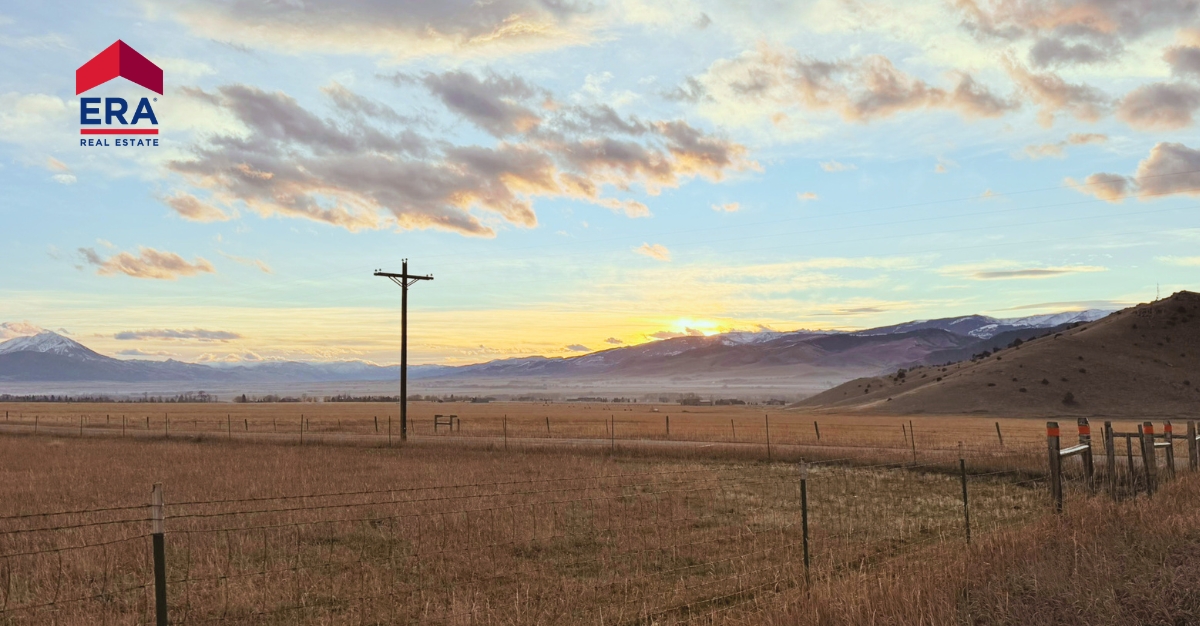
Buying Land Near Livingston: 12 Questions to Ask Before You Fall in Love With It
Land around Livingston and Paradise Valley is the kind of thing that makes people say, “We could build here…”
And in lots of cases, you can — but land buying goes smoother when you ask a few key questions early, before you’re emotionally committed to the view.
Here are my favorite 12.
1) Do I have legal access to the property?
Not “there’s a two-track.” Legal access means recorded rights (easements/right-of-way) you can actually rely on. Years ago, I had a title officer tell me “…it might be up a cliff and you’d need a helicopter, but you do have legal access.”
2) Is the road public or private — and who maintains it?
If it’s private, who plows, grades, and pays for repairs? Also, how accessible is it during the winter months of snow or the warmer, possibly wet, soft and sloppy time of spring?
3) What does zoning allow here?
Park County zoning varies by area/district, and the rules can change depending on where the land sits. Start with Park County’s zoning info and map and confirm the district.
4) Is it in a floodplain (or close enough to matter)?
Floodplain status can affect building, permitting, and insurance. Park County points people directly to FEMA’s mapping service to check.
5) What’s the water plan: well, shared well, or water rights?
If there’s an existing well: get details. If you drill: understand feasibility and costs.
If the land includes water rights (or you think it does), verify them through DNRC’s Water Rights Query System.
Most water uses in Montana need a valid recorded water right, and even exempt wells have specific filing/exception rules. Don’t assume a well log is the same thing as a water right.
6) Can it be permitted for septic, and what will it cost?
Septic feasibility isn’t a guess — it’s soils, site layout, setbacks, and approvals. Park County Environmental Health provides access to septic permit records and is the right place to start locally.
At the state level, Montana DEQ’s subdivision/sanitation standards (DEQ-4) are commonly referenced in the review process.
7) What about power, internet, and other utilities?
Is there electrical service already to the lot? If not, how far away is it and what might it cost to have it brought in? Any easements needed? Is there reliable internet, or are you planning on hotspot life?
8) Are there covenants / HOAs or neighborhood restrictions?
Some land looks “wide open” until you discover rules about:
- building size/type
- exterior materials
- animals
- short-term rentals
- RV use while building
9) Do I need a survey, or are corners clearly established?
If corners aren’t obvious — or if fences/roads are near boundaries — a survey can save major headaches later.
10) What are the wildfire realities on this parcel?
Wooded land is beautiful, but defensible space and access matter. The Montana DNRC breaks the Home Ignition Zone into 0–5 ft, 5–30 ft, and 30–100 ft zones with specific recommendations.
11) What’s the building site actually like (slope, drainage, wind exposure)?
A “great building spot” in July can be a snow drift factory in January. Also: Livingston-area wind exposure can be very different parcel to parcel depending on terrain, shelter and time of year.
12) Can I verify the parcel details quickly (ownership, geocode, boundaries)?
Montana Cadastral is a handy tool for parcel research (geocode, ownership info, map layers).
Bottom line
Land buyers win when they do a little homework early. The prettiest parcel is not always the easiest one to build on, finance, insure, access, or enjoy year-round. A good view matters — but access, water, septic, utilities, restrictions, and buildability matter just as much.

